
Understanding the basics of gambling for beginners
Understanding the basics of gambling for beginners
What is Gambling?
Gambling is the act of risking something of value on an event with an uncertain outcome, primarily with the intent of winning additional money or material goods. This practice can take various forms, including betting on sports, playing card games, or trying your luck on slot machines. Many people are drawn to online platforms, with the best online poker site attracting a lot of attention. At its core, gambling is about chance, and while some games rely on skill, others depend solely on luck.
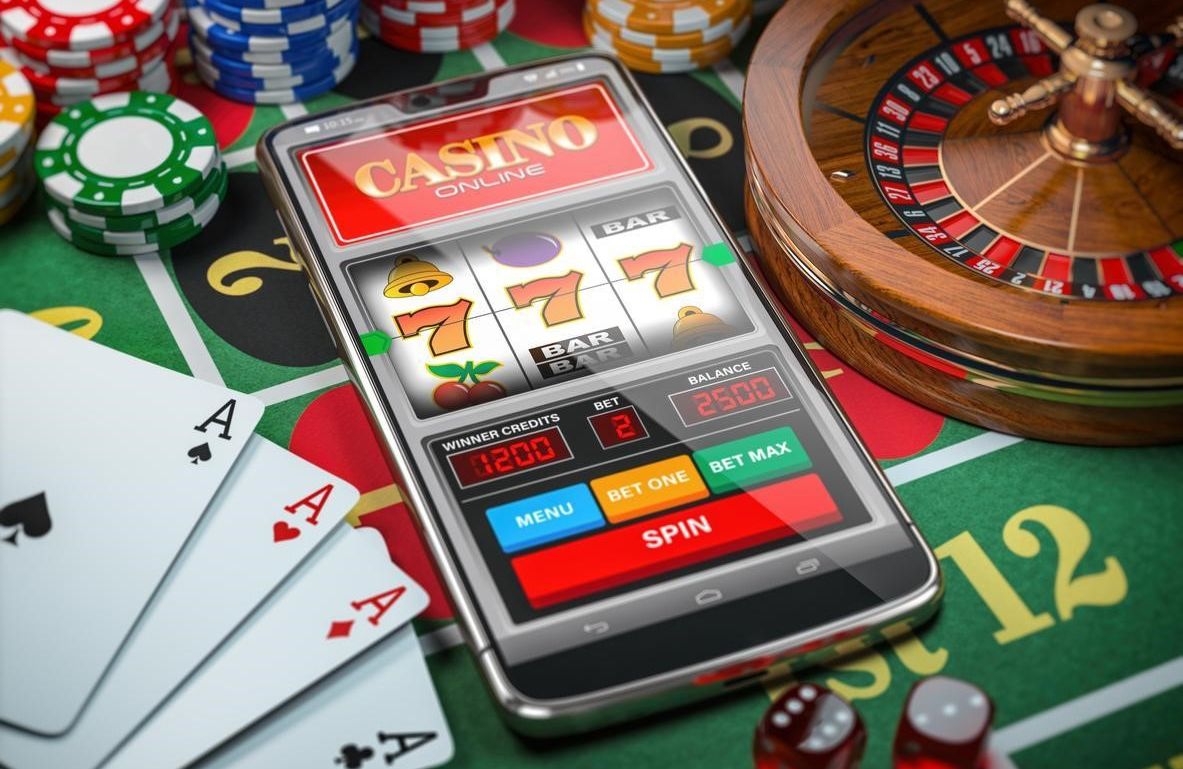
For beginners, understanding the various types of gambling can help them make informed decisions. Common types include casino games, sports betting, lotteries, and online gambling. Each type presents different odds, strategies, and environments, making it crucial for new gamblers to familiarize themselves with their options before diving in.
The Psychology of Gambling
The allure of gambling is often tied to the excitement of winning, which can release dopamine, a neurotransmitter associated with pleasure. This psychological factor can lead to repetitive gambling behavior, as the thrill of winning can overshadow the reality of losses. Understanding this psychological aspect is vital for anyone considering gambling as a pastime.
Moreover, many beginners may not recognize the potential for addiction. It’s important to set limits and approach gambling responsibly. Having a clear understanding of one’s motives and emotions when gambling can help mitigate the risks associated with this pastime.
Common Gambling Myths Debunked
There are numerous myths surrounding gambling that can mislead beginners. One prevalent myth is that certain strategies can guarantee wins. While skill can play a role in some games, the inherent randomness of games like slots means that no strategy can assure victory. It’s essential to recognize that gambling is ultimately about chance.
Another common myth is the misconception that losses can be recouped by chasing after them. This behavior often leads to further losses and can create a dangerous cycle of gambling. Beginners should be educated on these myths to ensure a healthier approach to gambling, focusing on enjoyment rather than the pursuit of profit.
Responsible Gambling Practices
Responsible gambling involves knowing your limits and gambling only what you can afford to lose. It is crucial for beginners to set a budget and stick to it, as this can prevent financial strain and the potential for gambling addiction. Establishing time limits can also be beneficial, ensuring that gambling remains a fun and recreational activity rather than a problematic behavior.
Additionally, many casinos and online platforms offer resources for responsible gambling, such as self-exclusion programs and tools for tracking gambling habits. Utilizing these resources can help beginners maintain control and enjoy their gambling experiences safely.

Conclusion and Resources
Understanding the basics of gambling equips beginners with essential knowledge to navigate this exciting world responsibly. With an awareness of what gambling entails, its psychological impacts, common myths, and the importance of responsible practices, newcomers can make informed choices that enhance their enjoyment while minimizing risks.
For those seeking more information or support, various websites provide valuable resources, including tips on responsible gambling and strategies for maintaining a healthy balance. Engaging with these resources can further enrich the gambling experience and foster a safer gaming environment for everyone.
